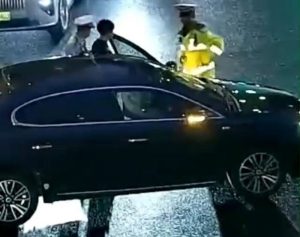
12-Year-Old Boy Goes for a Joyride After Learning to Drive from App SAMPLE
12-Year-Old Boy Goes for a Joyride After Learning to Drive from App
SAMPLE
上海十二岁男孩开车见网友
上海十二岁男孩开车见网友


AA
AA
AA
AA
Simplified
Traditional
Pinyin
Translation


Pinyin
Keywords
男孩 - nánhái - boy
网友 - wǎngyǒu - Internet user
手机 - shǒujī - cell phone / mobile phone
玩 - wán - to play / to have fun
游戏 - yóuxì - game
钥匙 - yàoshi - key
网上 - wǎngshàng - online
公里 - gōnglǐ - kilometer
红灯 - hóngdēng - red light
警察 - jǐngchá - police / police officer
停车 - tíngchē - to pull up (stop one's vehicle) / to park
孩子 - háizi - child
知道 - zhīdào - to know / to become aware of
告诉 - gàosu - to tell / to inform / to let know
自己 - zìjǐ - oneself / one's own
危险 - wēixiǎn - danger / dangerous
错 - cuò - mistake / wrong / bad
Grammar
Verb / Adverb / Phrase + 的 + Noun - Expressed to link a noun to a preceding verb or phrase with "Verb / Adverb / Phrase + de + Noun"
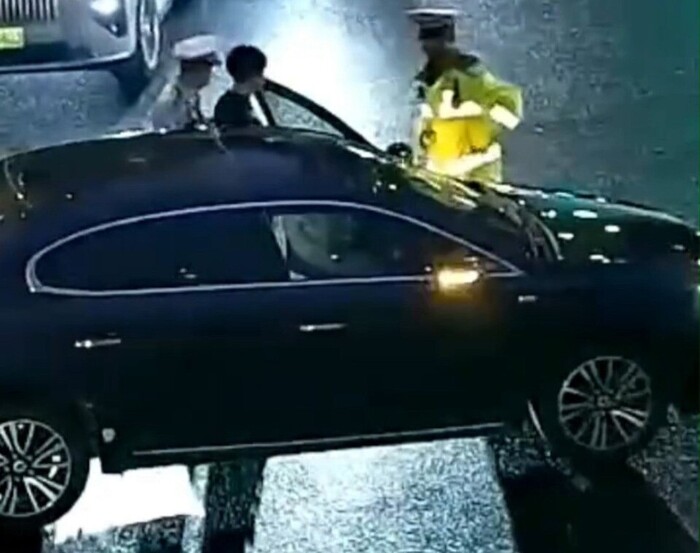
中国上海有一个十二岁的男孩。
他喜欢在手机上玩开车的游戏。
一个人开车出去,想去见网上认识的朋友
警察看到开车的是一个孩子,就打电话叫来了他的爸爸。
(在)...上 - Expressing "in / on…" with "(zài)...shàng"
他喜欢在手机上玩开车的游戏。
7月5日晚上,他拿了爸爸的车钥匙,一个人开车出去,想去见网上认识的朋友,这个朋友是他在玩游戏时认识的。
(在)...里 - Expressing "in / inside…" with "(zài)...lǐ"
他在游戏里学会了怎么开车。
Verb / Verb Phrase + 了 - Expressing that an action has been completed with "Verb / Verb Phrase + le"
他在游戏里学会了怎么开车。
7月5日晚上,他拿了爸爸的车钥匙,一个人开车出去,想去见网上认识的朋友,这个朋友是他在玩游戏时认识的。
他开了很远,有三十公里。
警察看到开车的是一个孩子,就打电话叫来了他的爸爸。
Verb + 去 (+ Place) - Direction complement "to go" with "Verb + qù (+ Place)" (indicates movement away from the speaker / location)
7月5日晚上,他拿了爸爸的车钥匙,一个人开车出去,想去见网上认识的朋友,这个朋友是他在玩游戏时认识的。
Subject + 想 + Verb (+ Object) - Expressing "would like to" with "Subject + xiǎng + Verb (+ Object)" (negative formed with 不想)
7月5日晚上,他拿了爸爸的车钥匙,一个人开车出去,想去见网上认识的朋友,这个朋友是他在玩游戏时认识的。
这 / 那 + Measure Word + Noun - Expressing "this… / that…" with "zhè / nà + Measure Word + Noun"
7月5日晚上,他拿了爸爸的车钥匙,一个人开车出去,想去见网上认识的朋友,这个朋友是他在玩游戏时认识的。
...的时候 /...时 - Expressing "when…" with "...de shíhou / ...shí"
7月5日晚上,他拿了爸爸的车钥匙,一个人开车出去,想去见网上认识的朋友,这个朋友是他在玩游戏时认识的。
但是,他开车的时候没有看红灯,警察让他停车。
是 + Emphasised Detail + 的 - Expressed to draw attention to and emphasise a particular detail with "shì + emphasised detail + de" (frequently used when asking details about the past or telling details about the past)
7月5日晚上,他拿了爸爸的车钥匙,一个人开车出去,想去见网上认识的朋友,这个朋友是他在玩游戏时认识的。
Statement, 但是… - Expressing "but / however…" with "Statement,dànshì…" (a bit more formal than 可是)
他开了很远,有三十公里。但是,他开车的时候没有看红灯,警察让他停车。
Subject + 让 + Sb / Sth + Verb / Verb Phrase - Expressing "to make or let sb / sth to do sth" with "Subject + ràng + sb / sth + Verb / Verb Phrase" (causative verb)
但是,他开车的时候没有看红灯,警察让他停车。
Verb + 到 (+了) - Expressing that an action's outcome is achieved or completed with "Verb + dào(le)" (negative formed with 不到)
警察看到开车的是一个孩子,就打电话叫来了他的爸爸。
Situation + 就 + Verb / Verb Phrase - Expressing "then / and so / in that case…" with "Situation + jiù + Verb / Verb Phrase" (the action happens "as a consequence of / following on from" the situation)
警察看到开车的是一个孩子,就打电话叫来了他的爸爸。
Verb + 来 (+ Place) - Direction complement "to come" with "Verb + lái (+ Place)" (indicates movement towards the speaker / location)
警察看到开车的是一个孩子,就打电话叫来了他的爸爸。
这时... - Expressing "at this time / at this moment..." with "zhèshí..."
这时,爸爸才知道,儿子和车都不在家了。
Time + 才 + Verb - Expressing "just now / not until" where the speaker considers the action to be late or longer than expected with "cái"
这时,爸爸才知道,儿子和车都不在家了。
New Situation + 了 - Expressing that there is a change of state or that the action has just happened "now" with "New Situation + le"
这时,爸爸才知道,儿子和车都不在家了。
男孩和爸爸都知道错了,以后不会再这样做了。
Subject + 可以 + Verb + Object - Expressing that the subject "can / may" perform an action with "Subject + kěyǐ + Verb + Object" (means "may" or "to be allowed to" and can expresses having another person's permission)
警察告诉男孩和他的爸爸,在中国,十八岁才可以开车。
非常 + Adj. / Verb - Expressing "very much / extraordinary..." with "fēicháng + Adj. / Verb"
小孩子不能自己开车,这样做非常危险。
以后... - Expressing "afterwards / later…" with "yǐhòu…" (used when talking about something that happens in the future)
男孩和爸爸都知道错了,以后不会再这样做了。
Subject + 会 + Verb / Adverb - Expressing that sth "will" happen or that sb "will" do sth with "Subject + huì + Verb / Adverb"
男孩和爸爸都知道错了,以后不会再这样做了。
再 / 再次 + Verb - Expressing "one more time / again / one more…" with "zài / zàicì + Verb" (used for future events, negative formed with 不再)
男孩和爸爸都知道错了,以后不会再这样做了。
Proper Nouns
上海 - Shànghǎi - Shanghai (city municipality)Idioms
Ready to complete the lesson's exercises?


Complete Assignment Reading
12-Year-Old Boy Goes for a Joyride After Learning to Drive from App

Level 2
Loading...
Loading...
Live dictionary

 Stroke
 Write
Live dictionary
StrokeWrite